
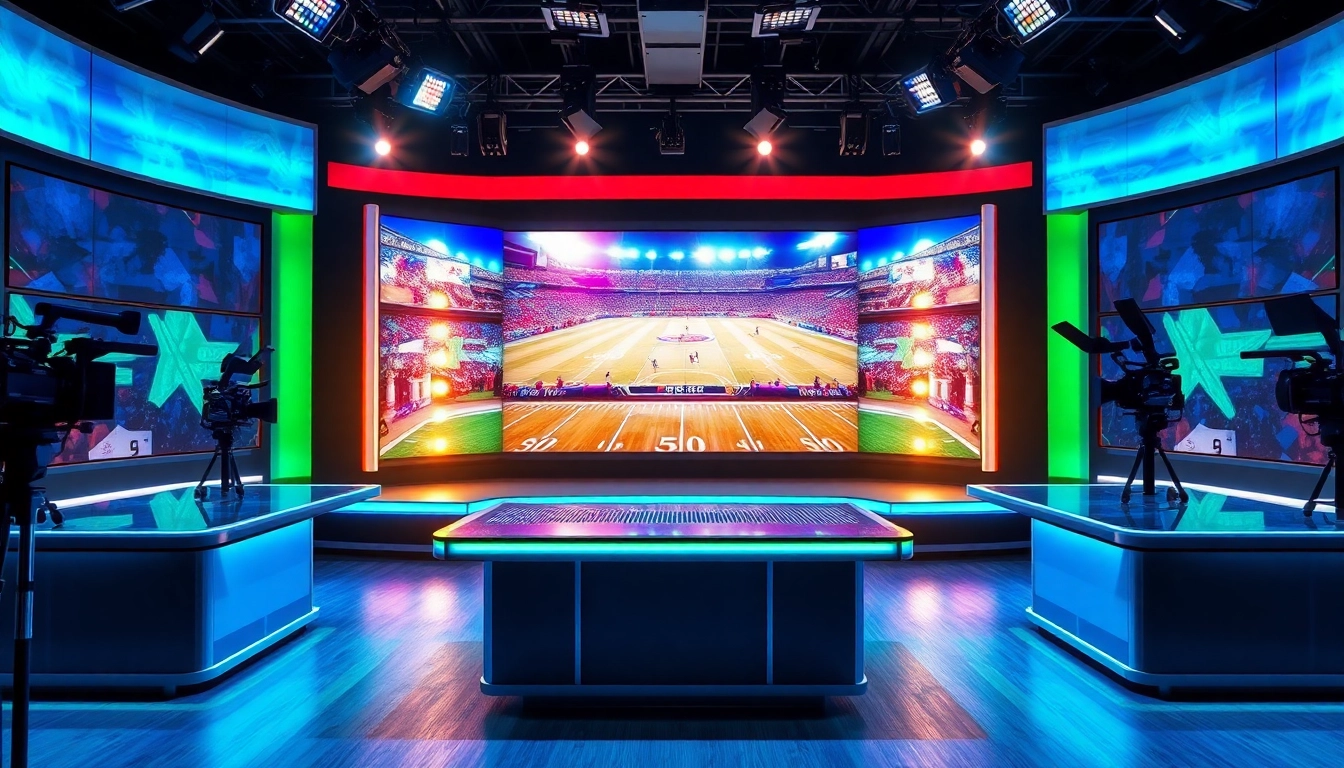
The Fundamentals of Sports Broadcasting
Sports broadcasting has become an integral part of our viewing habits, evolving from simple radio broadcasts to complex multi-platform experiences. Understanding the nuances of this field requires acknowledging the skills, technology, and strategies that underpin successful broadcasts. Whether it’s live coverage of a football game or a behind-the-scenes look at athlete training, Sports Broadcasting encompasses a vast array of elements that captivate audiences worldwide.
Understanding the Role of Sports Broadcasters
At its core, sports broadcasting serves as a bridge between events and fans. Broadcasters not only convey the action but also provide context, enhancing the viewer’s understanding and enjoyment. This involves delivering commentary that adds to the narrative of the game, discussing statistics, and interacting with viewers through various platforms. As sports continue to grow in popularity, the role of broadcasters has transformed to include responsibilities such as social media engagement and audience participation initiatives.
Key Skills and Qualities Required
To thrive in sports broadcasting, individuals must possess a unique set of skills and qualities:
- Communication: Effective verbal and written communication skills are crucial for conveying complex ideas and engaging with diverse audiences.
- Sports Knowledge: A deep understanding of different sports, rules, and player statistics is fundamental to delivering accurate and engaging commentary.
- Adaptability: The ability to think on one’s feet and adapt to unforeseen changes during live broadcasts is essential.
- Interpersonal Skills: Engaging with audiences through social media and live interactions requires strong relationship-building abilities.
- Technical Proficiency: Familiarity with broadcast technology and editing software is increasingly important, as the lines between traditional and digital media blur.
The Impact of Technology on Sports Broadcasting
The technological landscape of sports broadcasting is constantly evolving, allowing for enhanced viewer experiences. Innovations like high-definition (HD) broadcasting, augmented reality (AR), and virtual reality (VR) are transforming how fans experience sports. Additionally, the incorporation of real-time analytics offers viewers deeper insights into games, while social media adds a dynamic layer of interaction. Broadcasters must continuously explore and adopt new technologies to remain relevant and engaging.
Strategies for Effective Sports Broadcasting
Creating an impactful sports broadcast involves more than just technical expertise. It requires thoughtful strategies tailored to the audience, the event, and the medium being used.
Researching and Preparing for Events
Preparation is key to a successful broadcast. Broadcasters should conduct thorough research on teams, players, and historical data related to the events they cover. This knowledge helps provide richer commentary and build narratives that resonate with viewers. Scriptwriting can also play a crucial role, offering a framework that broadcasters can adapt in real-time while still allowing for spontaneity.
Engaging the Audience Through Storytelling
Storytelling is the heart of sports broadcasting. Broadcasters must weave narratives that not only inform but also entertain. This involves planning segments that highlight player backgrounds, team rivalries, and key moments in the game. By framing the broadcast as a story, broadcasters foster emotional connections between the audience and the events unfolding on screen. These connections can lead to increased viewer loyalty and a more engaged audience.
Utilizing Analytics in Broadcast Decisions
Data analytics has emerged as a powerful tool in sports broadcasting. By analyzing viewer preferences, broadcast duration, and engagement metrics, broadcasters can make informed decisions about content direction, segment timing, and promotional strategies. Using insights derived from analytics allows broadcasters to adjust their approaches dynamically, ensuring that they meet the expectations and interests of their audience.
Live Event Coverage Best Practices
Live sports coverage presents unique challenges that require meticulous planning and execution. Here are some best practices to ensure a smooth operation:
Setting Up for Success: Equipment and Personnel
Investing in high-quality equipment is non-negotiable in sports broadcasting. This includes cameras, audio equipment, and broadcasting software. Additionally, having a skilled team in place—ranging from camera operators to editors—is essential. Each team member plays a critical role in ensuring seamless operations, making it vital to establish clear communication and defined responsibilities ahead of the event.
Timing and Coordination During Live Broadcasts
In live broadcasts, timing is everything. Coordinating with production teams, commentators, and technical staff to ensure everyone is on the same page can make or break a broadcast. Utilizing rehearsal sessions can help identify potential issues and facilitate smoother transitions between segments. A detailed rundown of the broadcast helps maintain a structured flow, ensuring that all points of interest are covered effectively.
Maintaining Viewer Engagement in Real-Time
Keeping viewers engaged during a live event requires innovative techniques. Utilizing social media platforms to interact with viewers in real-time—by asking for their opinions or sharing live polls—can enhance the experience. Additionally, creating opportunities for viewer interaction, such as Q&A sessions with commentators or athlete interviews, fosters a sense of community and makes broadcasts more compelling.
Emerging Trends in Sports Broadcasting
The sports broadcasting landscape is continuously evolving, driven by changing viewer habits and technological advancements. Staying updated on emerging trends can set broadcasters apart in a crowded marketplace.
Adapting to Changing Viewer Habits and Preferences
Modern audiences have shifted towards on-demand and mobile viewing, often favoring flexibility over traditional viewing habits. Sports broadcasters must respond to these preferences by offering content that is accessible across various formats, including streaming services and social media platforms. This adaptability can also involve creating shorter highlight reels or behind-the-scenes content that viewers can consume at their convenience.
The Role of Social Media in Broadcasting
Social media has revolutionized the way sports are consumed and discussed. Broadcasters can leverage social platforms to reach wider audiences, provide real-time updates, and foster engagement through interactive content. Incorporating social media feeds into broadcasts or featuring user-generated content can create a more dynamic viewing experience, allowing fans to feel part of the action.
Innovations in Interactive and Virtual Broadcasting
Audiences are increasingly drawn to interactive content that allows them to have a say in the viewing experience. Innovations such as streaming platforms offering live voting on key moments, or fans choosing camera angles can enhance the engagement factor. Virtual broadcasting, where fans can participate in 3D environments or AR experiences, further immerses viewers, changing the face of how sports are experienced.
Measuring Success: Performance Metrics in Sports Broadcasting
Understanding and analyzing performance metrics is essential for refining and improving sports broadcasts. Here’s how broadcasters can effectively measure their successes.
Understanding Audience Ratings and Engagement
Audience ratings offer invaluable insights into how many viewers are tuning in and which demographics are most engaged. Combining viewership numbers with data from social media interactions provides a broader picture of audience engagement. By regularly reviewing these metrics, broadcasters can better tailor their content to meet audience demands and improve future broadcasts.
Evaluating Content Quality and Effectiveness
Quality evaluation goes beyond viewership metrics. Broadcasters should analyze feedback, both quantitative and qualitative, to understand which elements resonate with audiences. Utilizing surveys and conducting focus groups can provide insights into viewers’ experiences during broadcasts. This feedback can guide content adjustments and help create more compelling stories for future broadcasts.
Strategies for Continuous Improvement
Continuous improvement is crucial for sustained success in sports broadcasting. Broadcasters should establish regular review cycles to analyze performance metrics and audience feedback. Setting specific, measurable goals can help teams focus their efforts on areas needing enhancement. By fostering a culture of innovation and adaptation, sports broadcasters can remain ahead of the curve and maintain audience interest over time.
Frequently Asked Questions
What is sports broadcasting?
Sports broadcasting involves the transmission of sports events via television, radio, or online platforms, engaging viewers with commentary, analysis, and highlights.
What skills are important for sports broadcasters?
Key skills include strong communication, in-depth sports knowledge, adaptability, and the ability to interact with audiences effectively during live broadcasts.
How are technology trends influencing sports broadcasting?
Technology enhances viewer experiences through high-definition visuals, real-time analytics, social media integration, and interactive content, shaping modern sports broadcasting.
What metrics are crucial for evaluating sports broadcasts?
Key metrics include audience ratings, viewer engagement, social media activity, and feedback, which help broadcasters assess performance and make informed decisions.
How do broadcasters prepare for live sports events?
Preparation involves thorough research, scriptwriting, rehearsal, equipment checks, and coordinating with team members to ensure a seamless live broadcast experience.